
The Ball Exists Because of a Fireworks Ban, and Four Other Things
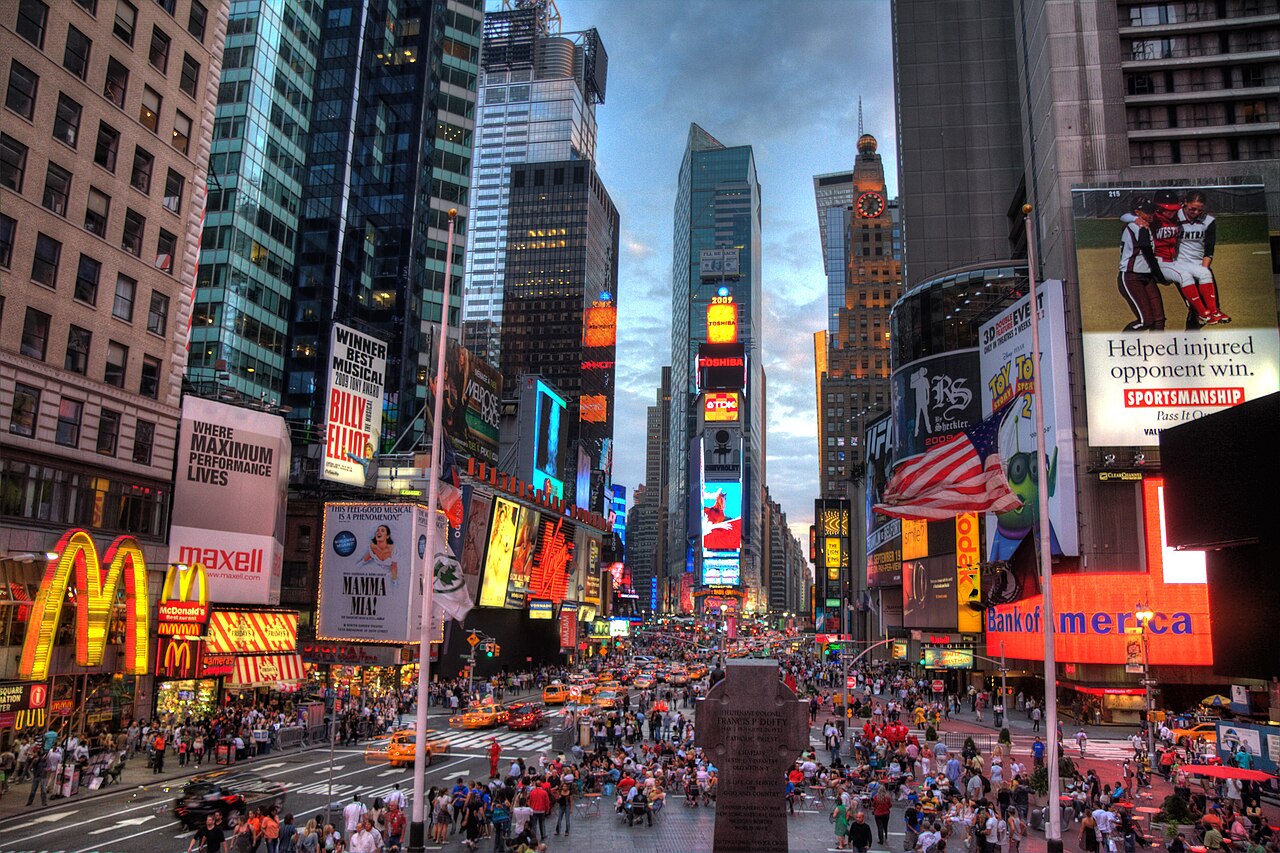
Did You Know These 5 Shocking Facts: Times Square gets about fifty million visitors a year and generates a proportional amount of nonsense. Most of what circulates about it online is half-right at best.
These five are not. Every one of them holds up.
1. The Ball Drop Exists Because Fireworks Got Banned
Adolph Ochs, the publisher who moved the New York Times into the square and got it renamed in 1904, threw a New Year’s Eve party that same year to pull crowds away from the traditional gathering at Trinity Church downtown. It featured fireworks and it worked.
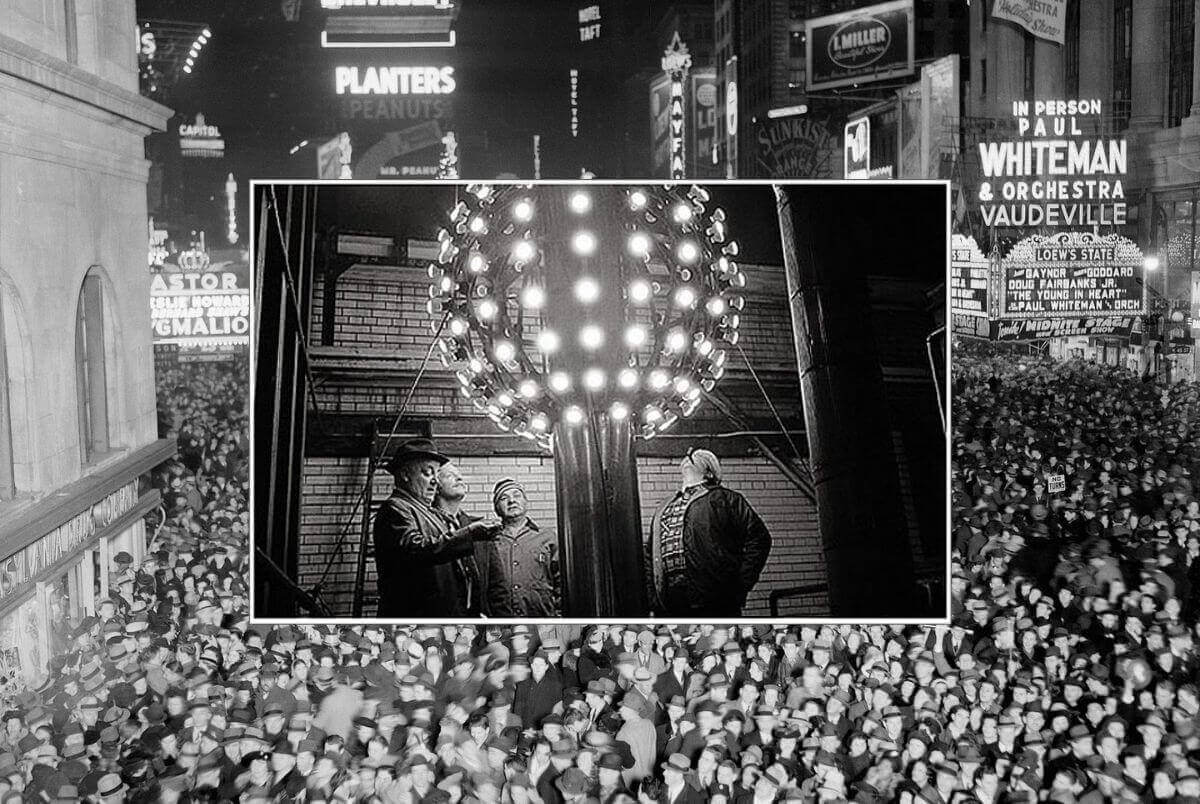
Three years later he could not get a permit. The fire department had had enough of explosives going off over Midtown rooftops. So instead of cancelling, Ochs hung a 700-pound ball of iron and wood covered in a hundred twenty-five-watt light bulbs from the flagpole and lowered it at midnight.
The most watched annual event in the country is a workaround for a denied fireworks permit.
The format was not even original. Time balls had been dropping on buildings for decades as a way of signaling the hour to ships and passers-by, including one Western Union installed on its Manhattan headquarters in 1877. Ochs borrowed a piece of obsolete public timekeeping equipment and turned it into a global television event.
The site had its own history before any of that. The tower went up on ground previously occupied by the Pabst Hotel, which was demolished to make way for it after standing for only a few years.
2. It Has Not Dropped Every Year
The streak people assume runs unbroken from 1907 has a gap in it. The ball did not drop in 1942 or 1943 because of wartime blackout restrictions over the city.
Crowds still gathered in the square both years. They just marked midnight with a moment of silence and chimes rather than lights, since lighting up the most visible intersection in the country was not something the city was prepared to do mid-war.
3. It Was Lowered by Hand Until 1995
For most of the twentieth century the mechanism behind the ball drop was six people with ropes and a stopwatch.
That is not a joke about how simple it was. That was the system. A billion people now watch a descent that is triggered by an atomic clock in Colorado, the primary time standard for the United States, but for close to ninety years it came down to a crew counting carefully and pulling on cue.
4. The Building It Falls from Is Empty
One Times Square was built as the New York Times headquarters and finished in 1904. It was the second-tallest building in the city at the time. The paper left in 1913 after outgrowing the odd wedge-shaped floor plan.
Since then, it has slowly stopped being a building. The ornate facade came off in the 1960s. Lehman Brothers bought it in 1995 and covered it in advertising, and the billboards have brought in more than 23 million dollars a year while the floors behind them sat vacant.
The most valuable exterior in American advertising has been wrapped around an empty shell for decades. For years the only people going up regularly were a maintenance crew and the team responsible for the ball, which lives on the roof year-round.
5. The Name Outlasted the Tenant by Over a Century
Before 1904 this was Longacre Square, a district of stables and horse-carriage builders with a rough enough reputation to earn the nickname the Thieves Lair. Its first theater was built by a cigar maker named Oscar Hammerstein I.
Ochs persuaded the mayor to rename it after his newspaper, and the change became official on April 8, 1904. The subway station opened beneath it that October and carried close to five million passengers in its first year of operation alone.
The Times moved out nine years after the renaming. The name has now outlived the paper’s presence there by more than a hundred and ten years.
Where We Fit In
We are at 719 7th Avenue, a few blocks north of One Times Square, which means we have a professional interest in the neighborhood’s history and a lot of time to read about it. The Daily Green is a licensed New York dispensary open to adults 21 and over, and our budtenders will happily talk about any of the above if the shop is quiet.
The Daily Green is a licensed New York dispensary open to adults 21 and over, and our budtenders will happily talk about any of the above if the shop is quiet.
FAQs
Why does a ball drop in Times Square on New Year’s Eve?
Because the fire department stopped issuing permits for the rooftop fireworks the New York Times had been using. The paper’s publisher replaced them with an illuminated ball lowered from a flagpole, starting with the 1907 into 1908 celebration.
Has the Times Square ball ever not dropped?
Yes. It was suspended in 1942 and 1943 because of wartime blackout rules. Crowds gathered anyway and marked midnight with chimes and a moment of silence.
What was Times Square called before 1904?
Longacre Square. It was the center of the city’s horse and carriage trade and was nicknamed the Thieves Lair.
How much does One Times Square make from billboards?
Reported figures have run above 23 million dollars a year from exterior advertising, while the interior floors have remained largely vacant.
Is Times Square worth visiting beyond the billboards?
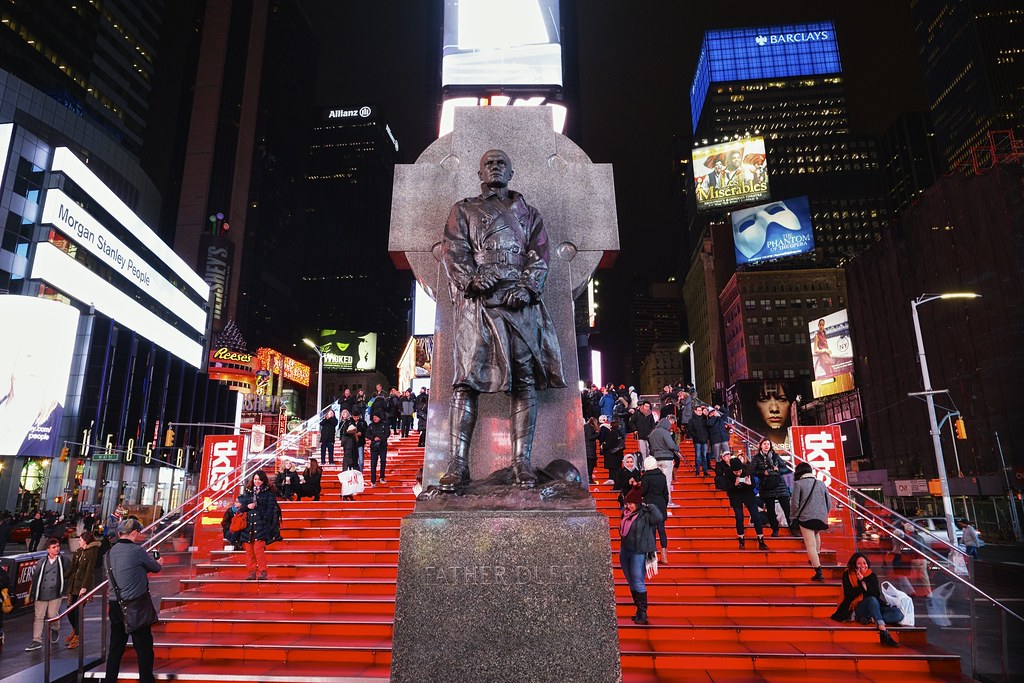
The neighborhood rewards a slower walk. The sound installation on the Broadway pedestrian island and the statues in Father Duffy Square are two easy starting points.