
What the Archaeology Actually Shows, From China to the Judean Desert
From Rituals to Remedies: Most articles about ancient cannabis lean on the same handful of stories, repeated so often that nobody checks them. The interesting thing is that the hard archaeological evidence is stranger and better than the folklore.
Here is what has actually been excavated.
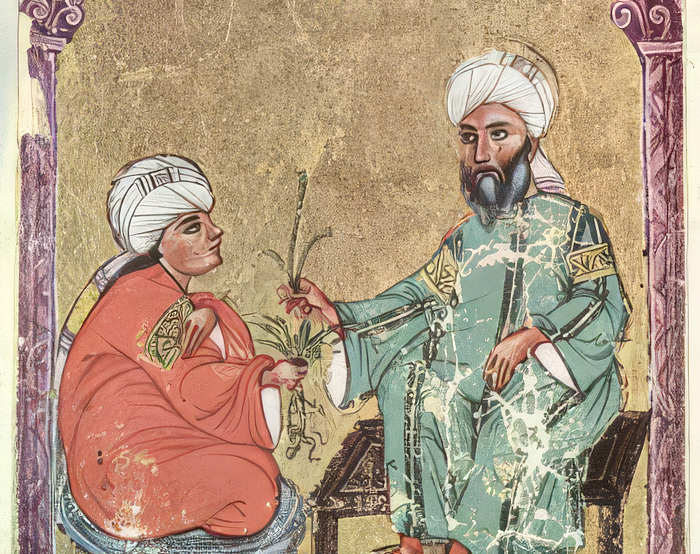
The Braziers in the Pamir Mountains
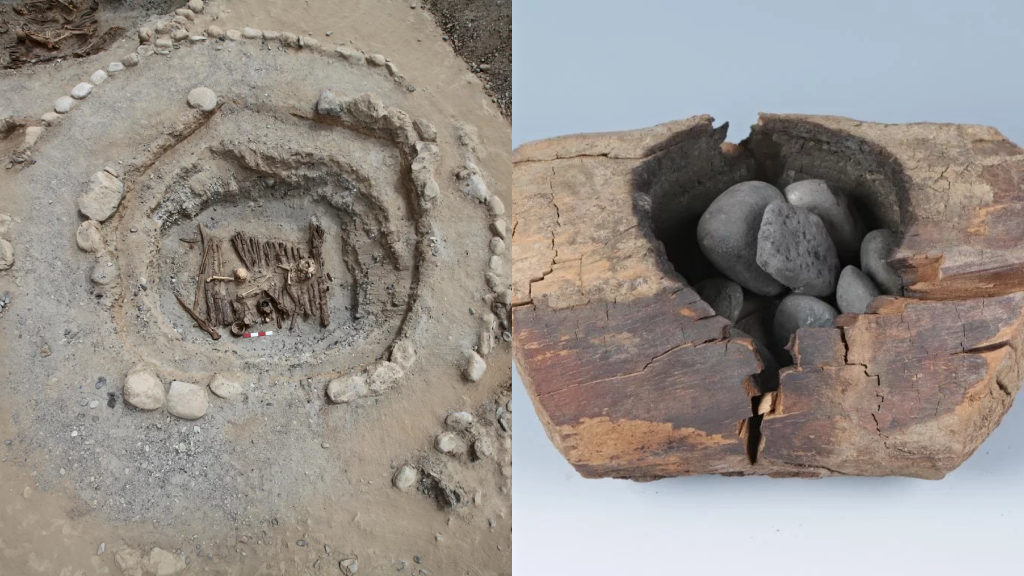
In 2019, researchers published analysis of wooden braziers recovered from the Jirzankal Cemetery in the Pamir Mountains of western China, dated to roughly 500 BCE.
The braziers held burned stones and residue, and the residue tested positive for cannabis compounds at levels higher than what grows wild in the region. That detail is the important one. Somebody had either sought out or cultivated plants with stronger chemistry, and they were burning them at a burial site.
It is among the clearest evidence we have of cannabis being burned deliberately for its effects rather than used as fiber or food, and it places that practice at a funeral, alongside harp fragments and evidence of ritual. Whatever was happening at that graveside, it was organized and it was intentional.
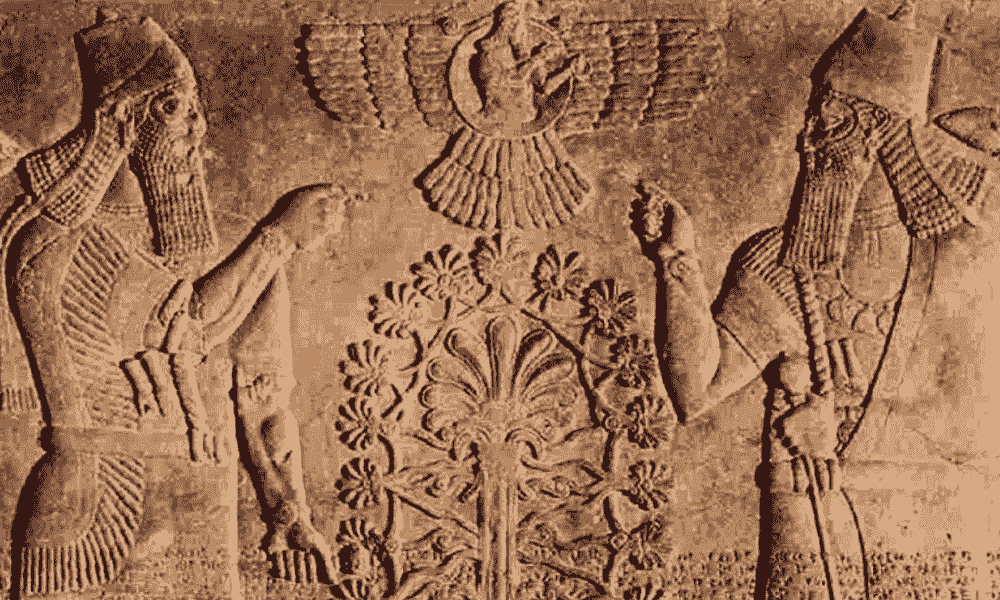
The Shaman's Grave at Yanghai
Further east, in the Turpan Basin, excavation of the Yanghai Tombs produced a burial roughly 2,700 years old containing close to a kilogram of cannabis, well preserved by the desert climate.
The grave belonged to a man interred with items suggesting a ritual role. The cannabis had been processed rather than simply gathered, and analysis found it retained psychoactive compounds. Whoever buried him considered it worth sending along.
Herodotus and the Scythians
The Greek historian Herodotus described the Scythians, a nomadic people of the Eurasian steppe, throwing hemp seeds onto hot stones inside small, enclosed tents and inhaling the vapor, which he wrote made them shout with pleasure.
For centuries this was treated as traveler’s exaggeration. Then excavations of Scythian burials at Pazyryk turned up small tent frames, censers, and hemp. The description survived the test, which is not something every ancient account manages.
Where to Find Us
The Daily Green is at 719 7th Avenue between 47th and 48th, open to adults 21 and over. Our edibles selection rotates, so check the online menu before you come or ask a budtender what landed this week. Everything on our shelves comes through the licensed supply chain and is lab tested.
The Altar at Tel Arad
The most surprising find is recent. In 2020, researchers reported that residue on a small limestone altar from a Judahite shrine at Tel Arad, in what is now southern Israel and dating to around the eighth century BCE, contained cannabis compounds mixed with animal dung, which would have helped it burn at the right temperature.
A second altar at the same shrine held frankincense. The implication is that cannabis was burned as part of formal worship, and that its inclusion was deliberate and chemically informed rather than incidental.
Medicine, Written Down
Additional From Rituals to Remedies: Alongside the ritual evidence sits a long documentary record of cannabis as materia medica.
The Chinese pharmacopeia attributed to the legendary figure Shen Nung lists cannabis among hundreds of botanical remedies. In India, the Atharvaveda names bhang among sacred plants, and bhang preparations remain part of Holi and Maha Shivratri observance today, which makes it one of the longest continuous cannabis traditions anywhere.
The Greek physician Dioscorides catalogued it in the first century. Assyrian tablets reference it. Egyptian medical papyri contain passages that some scholars read as cannabis and others dispute, which is worth saying rather than presenting a contested reading as settled.
The Category That Did Not Exist
One thing the record makes clear is that our neat division into medicine, ritual, and industrial fiber is a modern invention.
The same plant provided rope for a boat, seeds for food, a remedy listed in a physician’s catalogue, and smoke for a funeral, often within one culture and sometimes within one household. Nobody involved thought of these as separate categories requiring separate regulatory regimes. That framing is about two centuries old, and this is an eight-thousand-year-old relationship.
Where We Fit In
The Daily Green is a licensed dispensary at 719 7th Avenue between 47th and 48th, open to adults 21 and over. Every plant on our shelf descends from the same species those braziers were filled with, which is a reasonable thing to think about while a budtender is ringing you up.
One more thing worth sitting with. The braziers at Jirzankal were used roughly two and a half thousand years ago, and the people using them had already been selecting for stronger plants. Modern breeding is a continuation of something very old rather than a departure from it.
FAQs
What is the earliest evidence of cannabis use?
Learn more from Rituals to Remedies: Hemp fiber use in Neolithic China goes back thousands of years. The clearest evidence for burning cannabis for its effects comes from braziers at the Jirzankal Cemetery in western China, dated to roughly 500 BCE.
Did ancient cultures smoke cannabis?
Evidence points to burning and inhaling vapor rather than smoking as we would recognize it. The Jirzankal braziers and Herodotus’s account of Scythian vapor tents both describe that method.
Was cannabis used in ancient religion?
The Tel Arad shrine in ancient Judah, dating to around the eighth century BCE, had cannabis residue on an altar, suggesting it was burned as part of formal worship.
What did ancient medicine use cannabis for?
It appears in Chinese pharmacopeia, in Indian texts including the Atharvaveda, and in the catalogue of the Greek physician Dioscorides. Specific applications varied widely between traditions.
Is bhang still used in India?
Yes. Bhang preparations remain part of Holi and Maha Shivratri observance, making it one of the longest continuous cannabis traditions in the world.
From Rituals to Remedies: Come on down to The Daily Green.